Cerro Catedral sits just 19 km from San Carlos de Bariloche, on the edge of Nahuel Huapi National Park in Argentine Patagonia. It is widely regarded as the largest ski area in South America, and riding it for the first time feels like discovering a whole mountain range rather than a single resort. The name comes from the jagged granite spires along the ridge, which look like the towers of a gothic cathedral when the afternoon light hits them. From the upper lifts you look straight down onto the deep blue of Lake Nahuel Huapi and Lake Gutiérrez, a view that genuinely stops people mid-run. As a snowboarder I came for the wide-open bowls and natural features, and I left with a soft spot for the relaxed, social Argentine way of doing a ski day. If you live in the Northern Hemisphere, it is also the best excuse imaginable to ride in July and August.
🎿 Terrain & Snow Conditions
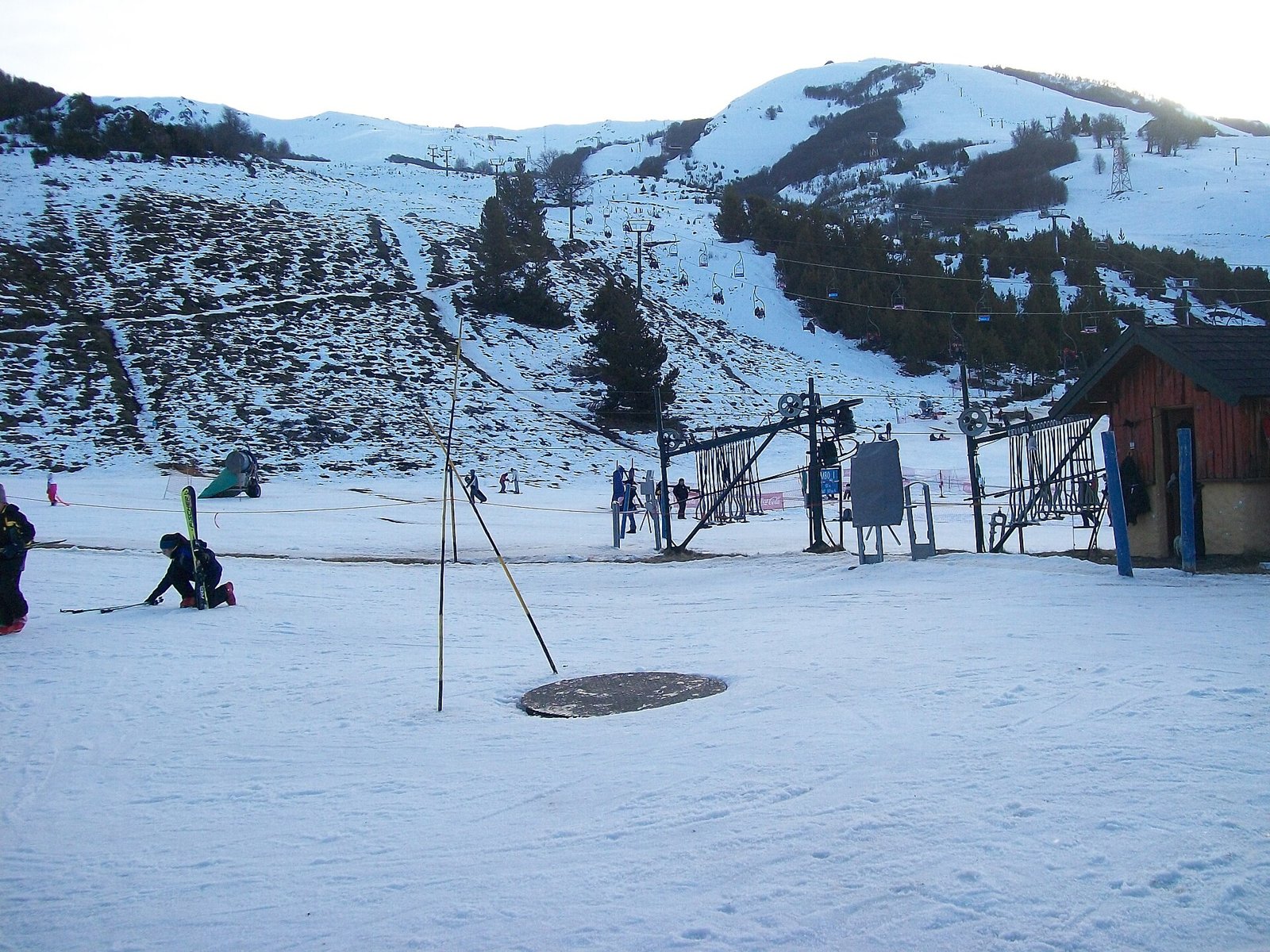
The lift-served terrain spreads across roughly 1,200 hectares, with around 120 km of marked runs and a vertical drop close to 1,000 m from the base at about 1,030 m. The lower mountain is mostly tree-lined, rolling blue terrain that is perfect for warming up and for beginners progressing beyond the learning area. Above the tree line the resort opens into broad alpine bowls, and this is where Catedral really shines for confident skiers and riders. On a good powder day the open faces under the spires offer long, fall-line lines that rival much more famous resorts. There is plenty of natural terrain for freestyle riders: rollers, wind lips and gullies are everywhere once you leave the groomers. Snow quality changes a lot with altitude, so it is common to find wind-packed or icy snow on top and softer spring snow lower down on the same day. The season usually runs from mid-June to late September, with the most reliable base in July and August. Patagonian storms can bring heavy snowfalls, but they also bring strong winds that occasionally close the highest lifts.
🏡 Atmosphere & Amenities
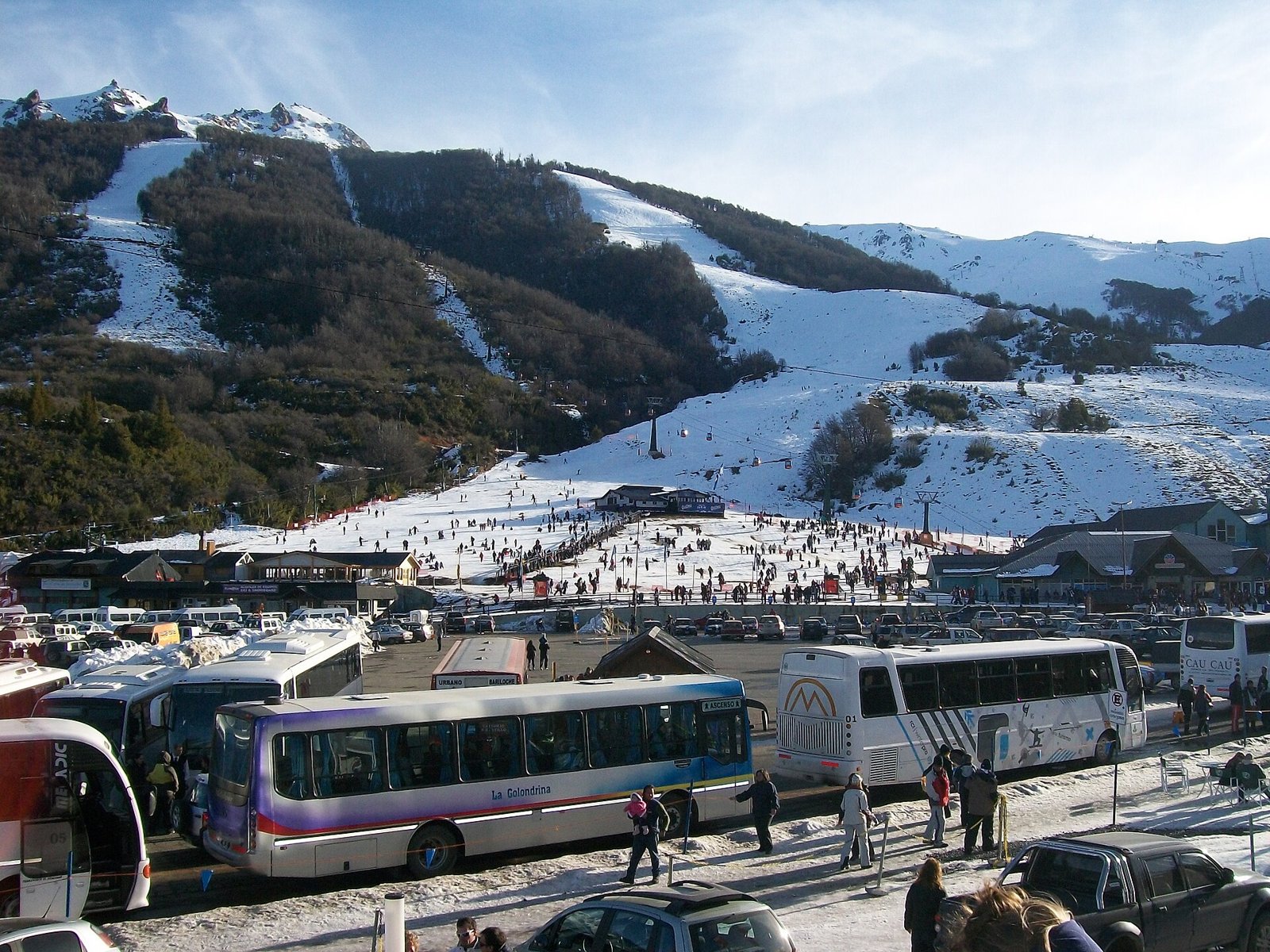
The base village, Villa Catedral, has rental shops, ski schools with Spanish-, English- and Portuguese-speaking instructors, cafés and a lively terrace scene. Mountain restaurants range from simple parrilla huts to Refugio Lynch near the top, where lunch comes with one of the best panoramas in the Andes. Long lunches with Patagonian lamb, Malbec and plenty of conversation are part of the culture here, and the slopes noticeably empty out around 1–3 pm. Bariloche itself is a destination in its own right, with chocolate shops, craft breweries and lakeside restaurants that make evenings far more interesting than in a typical purpose-built resort. Most visitors stay in town or along the road to the lake, and buses and shuttles connect to the base area. Families are well catered for, with dedicated kids' areas and gentle slopes right by the base.
💰 Value & Accessibility
Bariloche has its own airport (BRC) with frequent flights from Buenos Aires that take a little over two hours, plus seasonal connections from Brazil. From the airport it is roughly a 40-minute drive to the resort. Lift ticket and lodging prices in US dollar terms swing noticeably with Argentina's economy, so it is worth comparing current rates rather than relying on last season's numbers. Multi-day passes and packages booked in advance usually offer the best value. Compared with major North American and Alpine resorts, food and ski school prices are still reasonable for the amount of terrain you get.
⚠️ Considerations
The Argentine winter school holidays in July are by far the busiest time, and lift lines at the base can be long, so June, August and September are calmer choices. Bariloche is also famous for high-school graduation trips, which adds energy (and noise) to town in peak weeks. The lower slopes depend heavily on natural snow and can get thin or slushy in a dry year. Wind is the biggest variable: check the forecast and be ready to switch sides of the mountain when the upper lifts go on hold. The mountain is big and the trail map is not always intuitive, which is exactly where the Cerro Catedral Ski Navigator app helps — it keeps you on runs that match your level and gets you back to the base before the last lifts close.
✅ Summary
Cerro Catedral combines huge, varied terrain with lake-and-mountain scenery you will not find anywhere else, plus a genuine town at its feet. It rewards intermediates and freeriders most, while beginners have plenty of gentle runs near the base. Come outside of the July holiday peak, keep an eye on the wind and plan for long Argentine lunches. If you are planning a South American trip, it pairs well with our review of Valle Nevado in Chile on the other side of the Andes.
📱 Applications
 SKI-REVIEWS.com